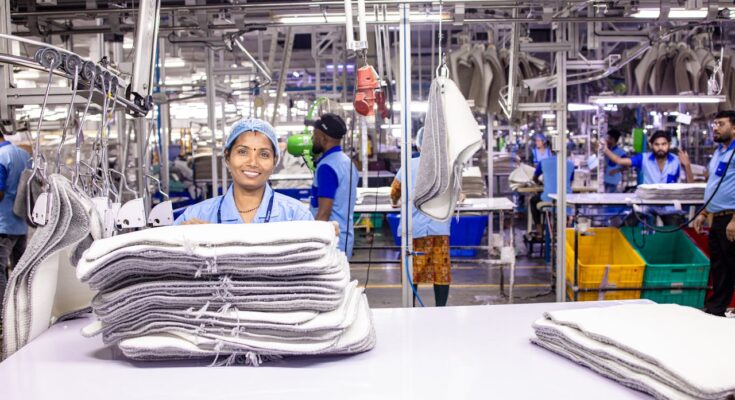
Italy’s manufacturing sector is experiencing a renaissance, and if you’re looking for stable employment with comprehensive benefits, factory jobs in Italy might be your golden ticket. Whether you’re an EU citizen seeking new opportunities or an international worker dreaming of la dolce vita, the Italian industrial landscape offers more than just assembly lines—it offers careers.
Let me paint you a picture: Giovanni, a 32-year-old automotive technician from Romania, landed a factory position in Turin last year. Today, he’s earning €2,200 monthly, enjoys 26 paid vacation days annually, and his employer covers his health insurance completely. His story isn’t unique—it’s increasingly common across Italy’s thriving manufacturing regions.
Why Italy’s Factory Sector is Booming Right Now
Italy ranks as the second-largest manufacturing economy in Europe, contributing roughly 16% to the nation’s GDP. The “Made in Italy” brand isn’t just about fashion and food anymore. Advanced manufacturing facilities across Lombardy, Veneto, and Emilia-Romagna are desperately seeking skilled workers to fill thousands of positions.
The demand is real. According to recent industry reports, Italian manufacturers face a shortage of approximately 300,000 workers across various skill levels. This labor gap translates into competitive salaries, attractive benefits packages, and genuine career advancement opportunities for those willing to commit.
Industries Hiring Aggressively
- Automotive Manufacturing: Companies like Ferrari, Lamborghini, and Fiat Chrysler continuously recruit
- Machinery & Equipment: Industrial automation and precision engineering sectors
- Food Processing: From olive oil production to pasta manufacturing
- Pharmaceutical Manufacturing: High-paying positions with strict quality standards
- Textile & Fashion Production: Luxury goods manufacturing facilities
- Electronics Assembly: Growing tech manufacturing hubs in Northern Italy
Understanding Your Employment Benefits Package
Here’s where factory jobs in Italy truly shine. Italian labor law mandates comprehensive employee protections that make American and UK benefits packages look modest by comparison.
Standard Benefits You Can Expect
Health Insurance Coverage: Every full-time factory employee receives enrollment in Italy’s national health service (Servizio Sanitario Nazionale). Your employer contributes significantly to this coverage, giving you access to quality healthcare with minimal out-of-pocket costs.
Paid Time Off: Italian workers typically receive:
- 4-5 weeks of paid annual vacation
- 11 national public holidays
- Paid sick leave (100% salary for initial days)
- Maternity leave (5 months at 80% salary)
- Paternity leave (10 days fully paid)
Retirement Contributions: Employers must contribute to your pension fund (TFR – Trattamento di Fine Rapporto), essentially a severance fund that accumulates throughout your employment.
Thirteenth Month Salary: Most Italian employment contracts include a “tredicesima” – an additional month’s salary paid in December. Some sectors even offer a fourteenth month!
Meal Vouchers: Many factories provide daily meal tickets (buoni pasto) worth €5-8, usable at restaurants and supermarkets.
Salary Expectations: What You’ll Actually Earn
Let’s talk numbers because that’s what matters most when you’re planning your future.
Entry-level factory workers in Italy typically earn between €1,400-1,800 monthly (net income after taxes). Experienced machine operators and specialized technicians can command €2,000-3,000+ monthly. Positions requiring technical certifications or supervisory responsibilities push even higher.
Regional Salary Variations
Manufacturing wages vary significantly by region:
- Northern Italy (Milan, Turin, Bologna): Highest wages, ranging €1,800-3,200/month
- Central Italy (Florence, Ancona): Moderate range, €1,600-2,500/month
- Southern Italy (Naples, Bari): Lower cost of living, wages €1,300-2,000/month
Remember, these figures don’t include overtime pay, shift differentials, or performance bonuses—all common in Italian manufacturing.
Work Visa and Legal Requirements for Foreign Workers
Non-EU citizens need to navigate Italy’s work visa process, which, honestly, requires patience but is absolutely doable.
The Decreto Flussi System
Italy operates on a quota system called “Decreto Flussi,” allocating a specific number of work permits annually. Manufacturing and industrial sectors typically receive priority allocation due to critical labor shortages.
Step-by-Step Process:
- Employer Sponsorship: Secure a job offer from an Italian manufacturer willing to sponsor your visa
- Nulla Osta: Your employer requests work authorization from the immigration office
- Visa Application: Apply at the Italian consulate in your home country
- Permesso di Soggiorno: Upon arrival, apply for your residence permit within 8 days
Required Documents Typically Include:
- Valid passport
- Job contract from Italian employer
- Proof of accommodation in Italy
- Health insurance coverage
- Criminal background check
- Educational/professional qualifications
EU citizens enjoy freedom of movement and can start working immediately without visa requirements—just register with local authorities.
Finding and Securing Your Factory Position
The Italian job market operates differently than many English-speaking countries. Relationships matter tremendously, but online platforms are increasingly important.
Top Job Search Platforms
- Indeed.it and InfoJobs.it: Largest general job boards with extensive manufacturing listings
- Monster.it: Strong industrial sector presence
- LinkedIn: Growing for professional manufacturing roles
- Randstad, Adecco, ManpowerGroup: Temp agencies specializing in factory placements
- Company Websites: Direct applications often yield best results
Pro Tip: Maria from the Philippines spent three months applying online before connecting with a recruiter at a Milan job fair. Within two weeks, she had three offers for pharmaceutical manufacturing positions. Sometimes old-school networking beats algorithms.
Essential Skills That Get You Hired
While many factory positions offer on-the-job training, certain skills dramatically improve your employability:
- Basic Italian Language Proficiency: Even A2-B1 level opens significantly more doors
- Technical Certifications: Welding, CNC operation, quality control credentials
- Safety Training: OSHA-equivalent certifications transfer well
- Computer Literacy: Modern factories use digital systems extensively
- Teamwork Experience: Italian workplace culture values collaboration
Living in Italy on a Factory Salary: The Real Picture
Can you actually live comfortably on factory wages in Italy? Absolutely, but location matters immensely.
A single person earning €1,800 monthly in Turin (Northern Italy) can expect:
- Rent for 1-bedroom apartment: €600-800
- Utilities: €100-150
- Groceries: €250-300
- Transportation: €50 (subsidized public transit)
- Discretionary spending: €400-500
That’s a sustainable, comfortable life with room for savings, especially when you factor in Italy’s excellent public services, affordable healthcare, and rich cultural life that doesn’t require expensive entertainment.
Southern regions like Calabria or Sicily offer even lower living costs, though salaries adjust downward accordingly. Many workers find the trade-off worthwhile, enjoying beach access, Mediterranean climate, and tight-knit communities.
Career Advancement and Long-Term Prospects
Factory work in Italy isn’t necessarily a dead-end job—it’s often a launching pad.
Italian manufacturers invest heavily in worker development. Many companies offer:
- Apprendistato Programs: Apprenticeships combining work and formal training
- Internal Promotion Tracks: Clear pathways from operator to supervisor to management
- Specialized Training: Employer-sponsored certifications and skill development
- Educational Partnerships: Collaborations with technical schools for advanced diplomas
Alessandro started as a basic assembly worker at an aerospace parts manufacturer in 2018. By 2025, he’d completed company-funded training, earned his quality control certification, and now supervises a 15-person team earning €3,400 monthly. These trajectories aren’t guaranteed, but they’re genuinely possible with dedication.
Challenges You Should Anticipate
Let’s be real—working in Italian factories isn’t all sunshine and espresso breaks. You’ll face challenges:
Language Barriers: While larger companies accommodate English speakers initially, Italian proficiency is essential for advancement and social integration.
Bureaucratic Complexity: Italy’s administrative processes can frustrate even native speakers. Patience becomes your virtue.
Cultural Adjustment: Workplace hierarchies, communication styles, and expectations differ significantly from Anglo-Saxon business cultures.
Physical Demands: Manufacturing work can be physically taxing, especially in older facilities without full automation.
Regional Differences: Northern and Southern Italy feel like different countries culturally and economically.
But here’s what matters: These challenges are navigable. Thousands of international workers thrive in Italian factories every year, building careers, families, and futures.
Frequently Asked Questions
Q: Do I need to speak Italian to get a factory job in Italy?
A: While some large multinational manufacturers in Northern Italy hire English speakers for entry-level positions, Italian language skills significantly improve your prospects and are essential for long-term success. Many workers start with basic Italian and improve through workplace immersion and evening classes.
Q: How long does the work visa process take for non-EU citizens?
A: The timeline varies but typically ranges from 3-6 months from initial employer sponsorship to receiving your work visa. The annual Decreto Flussi quotas open specific windows, so timing your application correctly matters. Working with an experienced immigration attorney can streamline the process.
Q: Are factory jobs in Italy only for manual laborers, or are there technical positions?
A: Modern Italian manufacturing includes highly technical roles requiring specialized skills—CNC programmers, quality engineers, maintenance technicians, automation specialists, and production managers. These positions command significantly higher salaries (€2,500-4,500+ monthly) and often include additional benefits.
Q: Can I bring my family if I secure a factory job in Italy?
A: Yes, work visa holders can typically sponsor immediate family members (spouse and dependent children) for family reunification visas once they’ve established legal residence and demonstrate sufficient income to support their family—usually after 6-12 months of employment.
Q: What’s the typical work schedule for factory employees in Italy?
A: Most Italian factories operate on 8-hour shifts, five days weekly, though some facilities run continuous operations with rotating shifts. Overtime is regulated and compensated at premium rates (typically 125-150% of base hourly wage). Many companies offer flexible scheduling options for workers with family responsibilities.
Your Next Steps Toward Italian Factory Employment
Standing at this crossroads, you might feel overwhelmed by the logistics, excited about possibilities, or perhaps a mixture of both. That’s completely normal.
Major life decisions rarely come with perfect clarity or guaranteed outcomes. But here’s what I know after researching countless success stories: The people who succeed in landing rewarding factory jobs in Italy share one characteristic—they took that first uncomfortable step forward.
Maybe your first step is updating your resume to highlight transferable manufacturing skills. Perhaps it’s enrolling in a basic Italian language course online. It could be reaching out to recruitment agencies specializing in European placements or joining expat forums to learn from others who’ve walked this path.
The Italian manufacturing sector isn’t slowing down. The worker shortage is real, the benefits are substantial, and the quality of life—even on a factory salary—can be genuinely fulfilling. You get to clock out from a honest day’s work and stroll through piazzas that have stood for centuries, share meals with colleagues who become friends, and build a life in a country that, for all its quirks, knows how to value both productivity and humanity.
Your story could be the next one shared in forums and articles like this. The person reading about opportunities next year might be inspired by your journey from uncertainty to stability, from dreaming about Italy to actually living there.
The factory floors of Milan, Turin, and Bologna are waiting. Your skills have value. Your ambition deserves a chance. And Italy—beautiful, complex, rewarding Italy—has a place for workers ready to contribute and build their futures.